
Asura: A Deep Dive into Modern Japanese Family Life
Advertisements
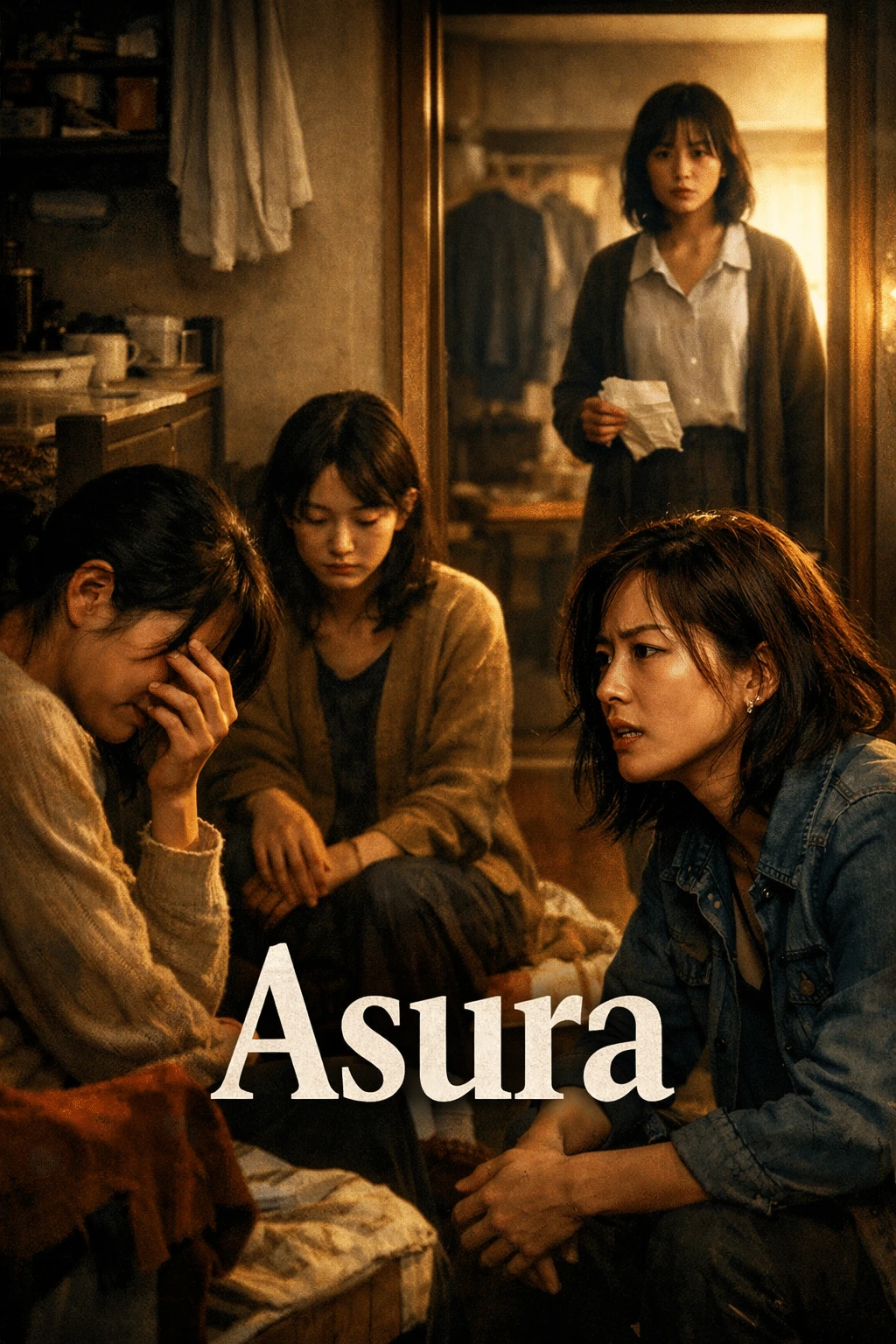
Directed by the renowned Hirokazu Kore-eda, “Asura” stands as another exceptional work from the Japanese auteur, offering a nuanced and profound exploration of familial relationships. The narrative revolves around four sisters whose lives take a dramatic turn upon learning of their father’s infidelity, prompting a thoughtful examination of the foundations that uphold family ties.
Plot and Structure
Kore-eda meticulously crafts the storyline with his signature precision, unveiling each character through layers of complexity that unfold gradually. The revelation of paternal betrayal serves not merely as a dramatic twist but as a springboard for exploring universal themes of trust, forgiveness, and the varying interpretations of familial love. Each sister’s response to this revelation highlights their unique personalities and stages of life.
Directorial Style and Visual Aesthetic
The director retains his contemplative and realistic approach, employing extended shots and thoughtful compositions that emphasize the observation of subtle gestures and profound silences. Kore-eda’s camera acts almost like an additional family member, capturing intimate moments without intrusiveness. The gentle cinematography and muted color tones enhance the atmosphere of restrained sorrow, a hallmark of the director’s filmmaking.
Key Themes
The film goes beyond its initial premise of betrayal to delve into wider themes regarding human nature and familial connections. Loyalty is examined from various angles: between partners, between parents and children, and among siblings. Forgiveness is portrayed not as a simplistic remedy but as a nuanced and personal journey. Kore-eda also subtly critiques the societal pressures surrounding family structures and the role of women in modern Japan.
Acting and Characterization
The ensemble cast provides authentic and believable performances, steering clear of melodrama to foster genuine emotional resonance. Each sister is depicted with her own contradictions and motivations, evolving into three-dimensional characters with whom viewers can easily connect. The father figure, despite being physically absent, remains a looming presence through the daughters’ responses and recollections.
Notable Aspects
The main strength of “Asura” lies in its capacity to transform an ostensibly ordinary scenario into a profound reflection on the human experience. Kore-eda shuns simplistic moral judgments, instead opting to portray the intricacies of human emotions with stark honesty. The gradual escalation of emotional intensity is skillfully executed, culminating in cathartic moments that never feel contrived.
Concluding Thoughts
“Asura” reaffirms Hirokazu Kore-eda’s prowess in crafting family-centric dramas that resonate on a universal level, despite their culturally specific context. The film serves as both an intimate look at a family in turmoil and a larger contemplation of the bonds that connect and shape us. It is a must-see for fans of contemporary Japanese cinema and for those who appreciate narratives that prioritize psychological depth over standard dramatic tropes.
With its sensitive direction, authentic performances, and mature handling of complex themes, “Asura” adds yet another memorable chapter to Kore-eda’s impressive filmography, solidifying his status as one of the keenest observers of the human condition in today’s cinema.