
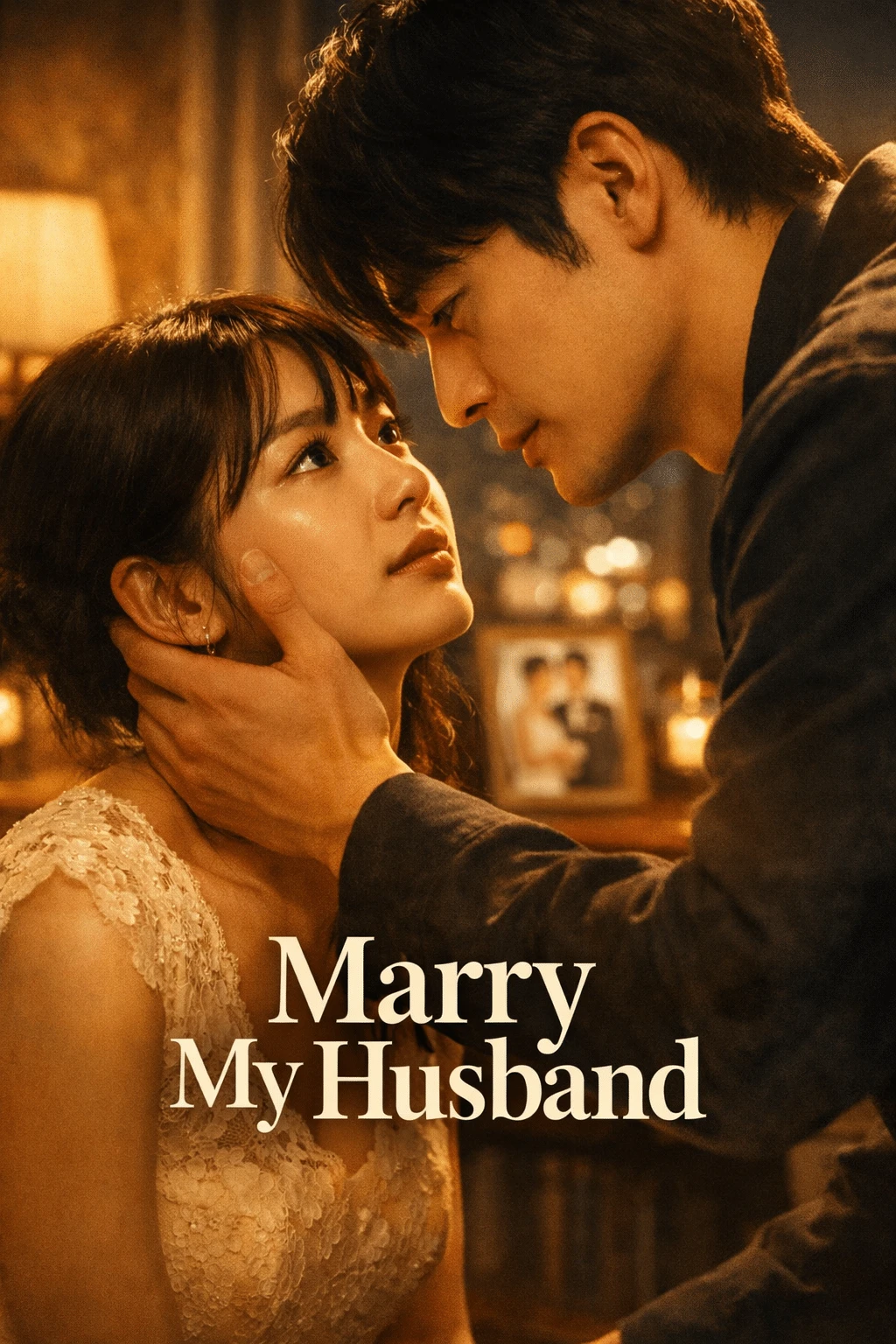
The Japanese Remake of ‘Marry My Husband’: A Journey of Self-Discovery and Redemption
The Japanese version of “Marry My Husband” stands out as one of the most ambitious and emotionally intricate productions of 2025, providing a unique cultural interpretation of a narrative centered on second chances, revenge, and personal growth. This groundbreaking partnership between Korean powerhouses CJ ENM and Studio Dragon not only marks their inaugural Japanese project but also sets a new benchmark for cross-cultural adaptations in modern Asian television.
Advertisements
The Storyline and the Significance of Second Chances
Misa Kobe’s journey embodies one of the most profound desires of humanity: the chance to amend crucial errors that have shaped one’s entire existence. Adapted from the widely popular NAVER webtoon that dominated the LINE Manga charts, the story delves into how a woman, long relegated to the role of a “supporting character” in her own narrative, can become the central figure through extraordinary events.
After being betrayed by her husband Tomoya Hirano and her best friend Reina Esaka, leading to her untimely demise, Misa is granted a miraculous second chance, enabling her to travel back a decade. This intriguing premise opens up a wealth of narrative possibilities, allowing for an exploration of themes such as identity, self-worth, toxic relationships, and the empowering journey of reclaiming one’s agency.
By framing revenge as the initial spark that gradually transitions into genuine self-discovery, the narrative transcends mere fantasy and evolves into a sophisticated examination of personal development and emotional healing.
Character Evolution and Psychological Growth
Fuka Koshiba’s portrayal of Misa Kobe provides a subtle depiction of a woman balancing her innate kindness with the necessity to assert herself against those who exploit her generosity. Her character arc avoids the pitfall of transforming Misa into an entirely different person, preserving her compassionate spirit while cultivating newfound inner strength and confidence.
Koshiba stated: “Although Misa seeks revenge, her fundamental kindness remains intact. I aspired to portray someone that Wataru would instinctively want to protect – a character grappling with revenge due to her sincere and forthright nature.” This nuanced approach crafts a complex protagonist who retains the audience’s empathy, even while pursuing morally ambiguous objectives.
Takeru Satoh, playing Wataru Suzuki, serves as the essential emotional catalyst for Misa’s evolution. His absence from Misa’s former life symbolizes uncharted possibilities and alternative routes that become accessible through her second opportunity. Satoh emphasized his aim to “maintain the core essence” of Wataru’s protective instinct, creating a character who acts not just as a romantic interest but also as a reflection through which Misa uncovers her self-worth.
Time Travel Concepts and Narrative Design
The concept of time travel goes beyond a simple plot mechanism, serving as a compelling metaphor for personal agency and the ability to change one’s life. The series investigates how foreknowledge of events can be both empowering and ethically challenging, compelling Misa to confront dilemmas surrounding manipulation, justice, and the unintended results of altering history.
The narrative adeptly combines fantastical elements with emotional realism, ensuring character development takes precedence while employing a supernatural framework to probe deeply human themes such as regret, forgiveness, and the bravery required for significant change.
The Dynamics of Betrayal and Toxic Relationships
The depiction of toxic relationships, both romantic and platonic, provides a thoughtful examination of patterns of emotional abuse, manipulation, and co-dependency. Misa’s betrayal by her husband and best friend serves not only as a pivotal event but also illustrates years of gradual erosion of her self-esteem and identity.
Yû Yokoyama as Tomoya Hirano and Sei Shiraishi as Reina Esaka face the intricate challenge of crafting antagonistic roles that reflect the complexity of flawed human beings instead of reducing them to mere villains. This depth adds layers of moral complexity that enhance the narrative.
Yokoyama humorously remarked on his friends’ reactions to his role: “You’re playing THAT character?!” His conscious approach to the inherent difficulties of portraying a deeply unsympathetic figure showcases the cast’s dedication to psychological authenticity.
Cross-Cultural Direction and Collaborative Efforts
Ahn Gil-ho, noted for his work on “The Glory,” brings a distinctive viewpoint to Japanese narratives, resulting in a cultural blend that honors Japanese sensibilities while integrating storytelling techniques that propelled the Korean original to global acclaim. This international collaboration presents a rare chance to observe how diverse cultures interpret universal themes.
Satomi Ōshima’s script, recognized for pieces like “1 Litre of Tears” and “Sayonara, Maestro!”, skillfully blends elements from the original source with a “Japanese flair” that respects local cultural nuances while preserving global appeal. This meticulous cultural adaptation avoids both direct translation and complete misrepresentation of the source material.
Production Quality and Technical Excellence
As the inaugural Japanese partnership between CJ ENM (producer of the Oscar-winning “Parasite”) and Studio Dragon (known for international hits like “Crash Landing on You”), the series signifies a pivotal moment in the advancement of Asian co-productions. The fusion of Korean technical prowess with Japanese creative talent results in a production characterized by exceptionally high technical standards.
The series benefits from an expansive international budget and vision, facilitating visual and narrative quality that competes with global premium productions. This enhancement in production criteria heralds a new chapter for Asian dramas with international aspirations.
Female Empowerment and Personal Agency Themes
“Marry My Husband” serves as a narrative of empowerment, illustrating how women can reclaim power in relationships and situations where they have been systematically marginalized. Misa’s transformation from a “supporting character” to the “heroine of her own story” provides insights into societal expectations, problematic self-sacrifice, and the significance of self-worth.
The series tackles pressing issues surrounding unequal relationships, societal demands on women to be “agreeable” at the cost of their well-being, and the often arduous path to establishing healthy boundaries with manipulative individuals.
Global Reception and Cultural Significance
The worldwide success of the original Korean adaptation, which became the most-watched Asian title among non-English content on Prime Video globally last year based on viewing hours within four weeks of its release, sets high expectations for the Japanese adaptation.
Its availability in over 240 countries and regions worldwide positions the series for substantial cultural influence, potentially introducing global viewers to specific Japanese interpretations of universal themes related to relationships, trauma, and recovery.
Romantic Aspects and Emotional Growth
The romance between Misa and Wataru offers a compelling contrast to Misa’s previous toxic relationships, showcasing how healthy connections can foster personal development and emotional recovery. This romantic trajectory serves not only as an engaging subplot but as a crucial aspect of Misa’s journey of self-discovery.
The series steers clear of glorifying revenge fantasies in favor of a more mature examination of how positive relationships can present alternatives to cycles of pain and vengeance.
Contemporary Relevance and Universal Themes
Through its fantastical premise, “Marry My Husband” confronts pressing contemporary issues of toxic relationships, gaslighting, emotional abuse, and the journey of healing and empowerment. The series conveys the message that change is attainable and that individuals are not perpetually ensnared by past missteps or circumstances.
Themes such as second chances, personal agency, and the necessity of surrounding oneself with supportive relationships resonate with viewers navigating their own interpersonal and personal challenges.
Concluding Thoughts
The Japanese remake of “Marry My Husband” signifies a remarkable achievement in cross-cultural storytelling, delivering an adaptation that respects the original material while offering a unique cultural perspective. The combination of a talented cast, adept direction, and high-quality production yields a viewing experience that feels both familiar and innovative.
For fans of the original Korean version, it presents an opportunity to revisit the cherished story through a different cultural lens. For newcomers, it serves as a powerful introduction to themes of empowerment, second chances, and personal transformation that transcend cultural divides.
The series exemplifies the potential for Asian content to continue reaching global audiences when executed with quality and cultural sensitivity, establishing a benchmark for future cross-cultural collaborations in the entertainment industry.